Essential Rare Card Collecting Tips: Your Guide to Building a Valuable Collection

Collecting rare cards is more than just a hobby - it’s a thrilling journey into history, art, and sometimes, a bit of luck. Whether you’re drawn to vintage sports cards, limited edition trading cards, or unique antique cards, the excitement of finding that one elusive piece is unmatched. But how do you make sure your collection grows wisely and retains its value? Let me share some essential rare card collecting tips that have helped me and countless others build collections we’re proud of.
Understanding the Basics of Rare Card Collecting Tips
Before diving into the world of rare cards, it’s important to grasp the fundamentals. Rare cards are typically defined by their scarcity, condition, and demand. But what makes a card truly rare? It could be a limited print run, a misprint, or a card from a legendary player or character.
Here are some key points to keep in mind:
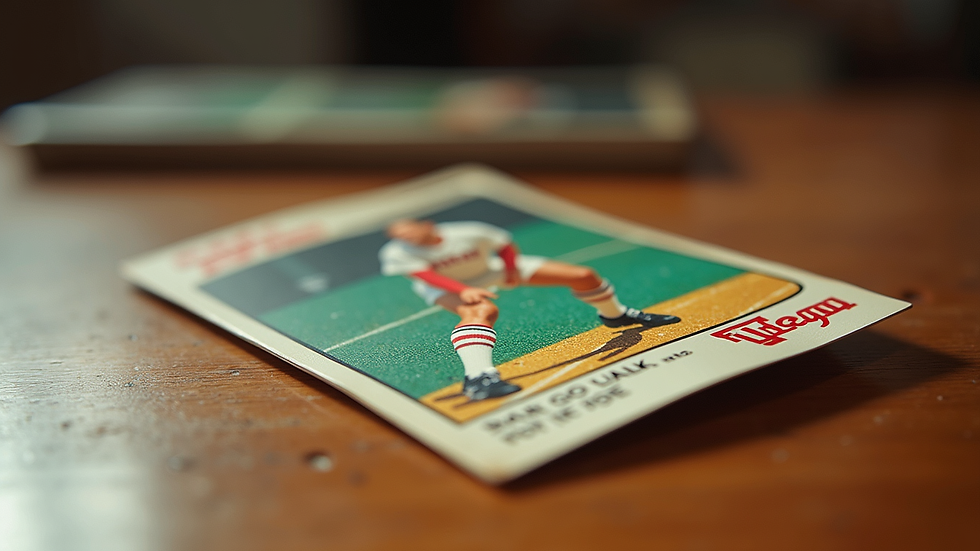
Condition is King: Cards in mint or near-mint condition are far more valuable. Look for cards with sharp corners, no creases, and vibrant colors.
Authentication Matters: Always verify the authenticity of a card. Counterfeits exist, and they can be convincing.
Know Your Market: Prices fluctuate based on trends, player popularity, and collector interest. Stay informed by following auction results and collector forums.
By mastering these basics, you’ll avoid common pitfalls and make smarter purchases.
How to Spot and Evaluate Rare Cards
Spotting a rare card isn’t always straightforward. Sometimes, rarity is hidden in small details. Here’s how I approach evaluating cards:
Research the Card’s History: Find out when it was produced, how many were made, and any unique features.
Check the Card’s Grading: Professional grading services like PSA or Beckett provide a grade from 1 to 10. A higher grade means better condition and higher value.
Look for Errors or Variants: Cards with printing errors or unique variants can be extremely valuable.
Compare Prices: Use online marketplaces and auction sites to see what similar cards are selling for.
When I first started, I was amazed at how much a small difference in condition could affect a card’s value. For example, a card graded 9 can be worth double or triple the same card graded 7.
Storing and Protecting Your Collection
Once you’ve acquired rare cards, protecting them is crucial. Cards are delicate and can easily be damaged by moisture, sunlight, or rough handling.
Here’s what I recommend:
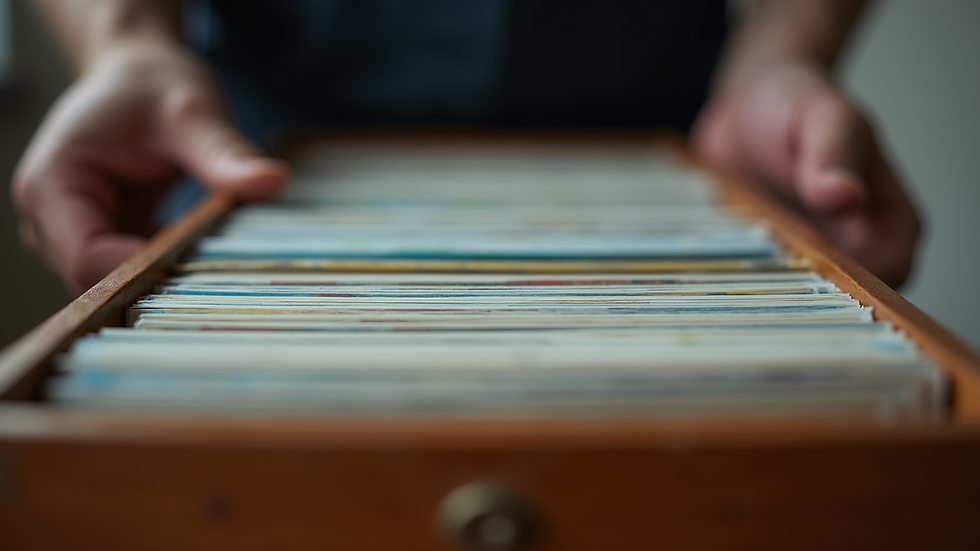
Use Protective Sleeves and Toploaders: These keep cards safe from scratches and bending.
Store in a Cool, Dry Place: Avoid basements or attics where temperature and humidity fluctuate.
Consider a Safe or Lockbox: For your most valuable cards, extra security is worth it.
Avoid Direct Sunlight: UV rays can fade colors and damage card surfaces.
Taking these steps will preserve your cards’ condition and value for years to come.
Building Your Collection Strategically
Collecting rare cards isn’t just about buying everything you like. It’s about building a collection with purpose and potential value.
Here are some strategies I use:
Focus on a Theme or Era: Whether it’s vintage baseball cards or limited edition fantasy cards, specializing helps you become an expert.
Set a Budget: Rare cards can be expensive. Decide how much you want to spend monthly or yearly.
Buy What You Love: Trends come and go, but your passion will keep you motivated.
Network with Other Collectors: Join clubs, attend shows, and participate in online communities like collectorsparadise to learn and trade.
By being strategic, you’ll enjoy the process and build a collection that’s meaningful and valuable.
Navigating the Buying and Selling Process
Buying and selling rare cards can be intimidating, but with the right approach, it’s rewarding.
Tips for buying:
Always ask for detailed photos and descriptions.
Verify the seller’s reputation.
Don’t rush; take time to research before making an offer.
Tips for selling:
Get your cards professionally graded to maximize value.
Use reputable auction sites or local shows.
Be honest about the card’s condition to build trust.
Remember, patience is key. Sometimes waiting for the right buyer or the right moment can significantly increase your return.
Growing Your Passion and Knowledge
Rare card collecting is a lifelong adventure. The more you learn, the more you’ll appreciate the stories behind each card.
Read books and magazines about card collecting.
Watch videos and tutorials.
Attend conventions and auctions.
Connect with experts and fellow collectors.
Every card has a story, and every collector has a unique journey. Embrace the learning process and enjoy every discovery.
Collecting rare cards is a blend of passion, knowledge, and strategy. By following these essential tips, you’ll be well on your way to building a collection that’s not only valuable but also deeply rewarding. Whether you’re just starting or looking to refine your approach, remember that every great collection begins with a single card and a spark of enthusiasm. Happy collecting!


Comments